Cabbage Color Icons: A Designer's Review for Embroidery Projects
Let me be honest. When I first saw the Cabbage Color Icons design, my immediate thought wasn't about websites or infographics, as the product description suggests. I thought, "How would this stitch out on a canvas tote bag?" As an embroidery designer who constantly evaluates graphics for real stitching applications, my primary filter is practicality. I need to know how a design will perform when translated from a digital screen into thread on fabric.
The First Impression: Clean Simplicity Translates Well
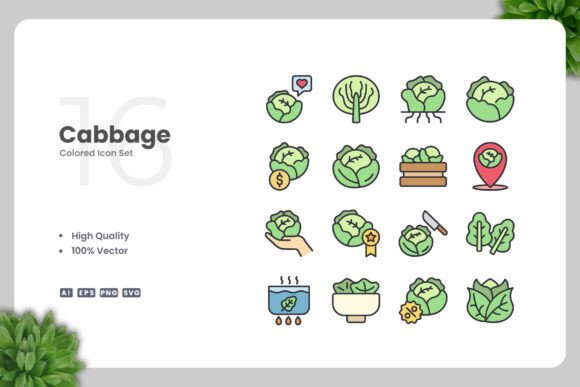
The mood here is undeniably cheerful and fresh. The simple, clean shapes are its greatest strength for embroidery. Complex, overly detailed vector graphics often become a nightmare at the hoop, losing clarity when condensed into stitches. But these icons, with their clear forms and open spaces, feel like they were built for conversion into satin stitches and clean fill areas. The visual personality is friendly and approachable, which is perfect for projects aimed at crafters, small business merchandise, and personalized gifts. It doesn't scream "corporate logo"; it whispers "handmade charm."
A Perfect Fit for Everyday Embroidery Projects
Imagine you're preparing a batch of custom embroidered tea towels for a local boutique. You want a design that is recognizable, adds value, and stitches quickly without fuss. This is where Cabbage Color Icons naturally belongs. The clean layout means you can embroider a single icon as a subtle accent on a baby's onesie or cluster a few together on the corner of a linen pillow cover for a cohesive, branded look for your small shop products.
For apparel decorators, consider a lightweight sweatshirt. A larger icon placed on the chest or sleeve would create a modern, understated statement. The simplicity ensures the embroidery doesn't feel heavy or overwhelm the garment. On a tote bag, these icons would offer excellent stitch clarity, making the finished product look professional and intentional, boosting customer trust in the quality of your handmade presentation.
Where These Icons Will Shine on Fabric
My real-life scenario involves a client request for a set of personalized kitchen aprons as holiday gifts. They wanted something colorful, fun, but not childish. Cabbage Color Icons immediately came to mind. The clean design allows for easy color changes to match the recipient's preferences, and the scale can be adjusted for a prominent front placement or a smaller sleeve detail. The giftability factor is high because the result feels custom-made rather than mass-produced.
For craft businesses and Etsy sellers, this design is a versatile asset. It could anchor a line of coordinated products: an embroidered patch featuring an icon, a matching cap design, and a simple graphic on a blanket. This kind of brand consistency across different items—baby embroidery, holiday embroidery, everyday apparel—engages buyers looking for a cohesive style. For digital product sellers offering printable mockups, the clean lines of these icons would also create sharp, appealing previews for your embroidery file listings.
Practical Considerations and Points of Caution
While the design is promising, its successful application depends on mindful execution. The "simple and clean" description is a double-edged sword. On small hoop sizes, the very simplicity means that if the icon is scaled down too much, small interior details might lose definition or become overly dense. Always test the design on scrap fabric first at your intended size.
Textured or stretchy fabrics, like some sweatshirt materials, demand extra care. A clean fill stitch area in these icons could pucker without the right stabilizer. Similarly, on dark fabric, thread color contrast is paramount. The cheerful color palette implied by the name "Cabbage Color" needs to be translated into thread choices that pop against darker backgrounds. I strongly recommend testing the design in both light and dark fabric mockups before committing to a production run.
Curved surfaces like caps are another area for careful review. The geometric clarity of the icons might be distorted if not properly digitized for curved placement. Inspect the small details and corners in your software to ensure the stitch path will accommodate the curve. For products destined for frequent washing, like baby clothes or kitchen towels, review the stitch density. Overly dense areas can stiffen the fabric and wear less gracefully over time.
Designer Notes for a Successful Embroidery Project
Here is my practical checklist when considering Cabbage Color Icons for any embroidery project, from a one-off gift to commercial embroidery for a small business.
- Test, Test, Test: Never skip the scrap fabric test. It reveals everything about stitch density, thread tension, and clarity.
- Context is Key: Think about the final product. Is it a decorative pillow cover or a functional apron? The design's scale and placement should suit the product's use.
- Color Translation: "Cabbage Color" suggests a palette. Plan your thread colors to maintain that fresh, clean mood on your specific fabric.
- Background Matters: Compare how the design feels on a light organic cotton versus a dark denim. The visual appeal and professionalism of the finished product hinge on this contrast.
- Licensing Due Diligence: The product description mentions use for websites, print, and more. Before selling any finished items—embroidered patches, tote bags, or baby embroidery—you must confirm the licensing terms for commercial use of the embroidery file. This is a non-negotiable step for any craft business or Etsy seller.
The Final Stitch: Adding Value Beyond the Digital File
In the end, the value of an embroidery design like Cabbage Color Icons is measured by the quality and appeal of the finished product it helps create. This design, with its inherent cleanliness and friendly shapes, has a strong foundation for success. It elevates a simple embroidered tote bag from a plain craft to a desirable, handmade product. It can turn a basic sweatshirt into a custom apparel item with personality.
For makers and creative entrepreneurs, it offers a design asset that is adaptable, likely easy to edit for color as described, and capable of fostering brand recognition across your product line. My confidence in it comes from its straightforwardness. It doesn't promise impossible detail; it promises clear, stitchable forms. By following practical embroidery steps—hoop size confirmation, stabilizer selection, and thorough testing—you can translate this digital graphic into a tangible product that customers will love, trust, and likely come back for more.