A Designer's Real-World Take on the Abandoned House Icon Set
As someone who evaluates embroidery designs for real project use, my first task is always to look beyond the screen. How will this translate into thread? How will it feel in my hands and to my customers? With the Abandoned House Color Icons, I immediately thought of its potential for a custom embroidered tote bag. That’s my test scenario.
The Immediate Mood and Aesthetic Impression
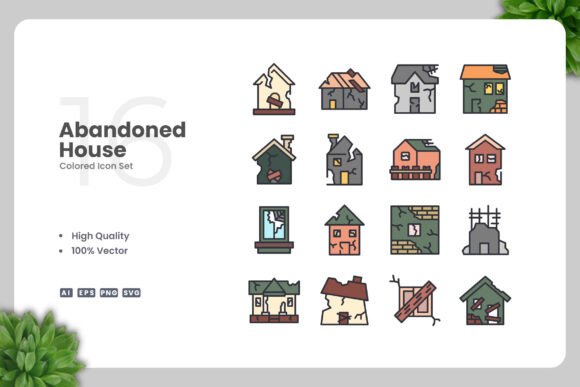
The design has a certain quiet, nostalgic charm. It’s not a hyper-realistic, detailed house; it’s simplified and graphic. This clean, vector-friendly style is a major asset for machine embroidery. The shapes are well-defined, meaning they’ll translate into crisp satin stitch borders and clean fill stitch areas without overly dense, stiff patches that can distort fabric. For my imagined tote bag, it creates a mood of rustic, handmade storytelling rather than a loud, commercial graphic.
Where This Design Naturally Belongs in Embroidery
This isn’t a tiny, delicate motif. Its clean icon nature makes it versatile for a range of products where a clear, recognizable image is key. I’d confidently use it on:
- Custom apparel like crewneck sweatshirts or t-shirts, where its graphic quality stands out.
- Tote bags and aprons, offering a strong focal point.
- Pillow covers or tea towels for home decor.
- Embroidered patches, perfect for a craft fair product or boutique branding.
- Baby clothes and nursery decor items, provided the scale is appropriate and details are safe.
The simplicity means it can be a fantastic personalized gift element—adding a name or date alongside it would be easy. For a craft business or Etsy seller, this design can anchor a line of small shop products with a consistent, memorable theme.
A Practical Note on Scale and Application
Because the description emphasizes its editability for resizing, this is crucial for us. You can scale it to fit your hoop size. However, for very small applications—like on a cap’s curved surface or a tiny baby item—you must test. Those clean lines rely on good stitch density; scaling down too much might lose clarity in small corners. Always stitch it on scrap fabric first at your intended size.
Where You Should Proceed with Care
My designer instinct flags a few situations for extra caution. The design’s strength is its clarity, so we must protect that.
- Textured or stretchy fabrics: Without proper stabilizer, those clean shapes could distort.
- Dark fabric backgrounds: Check your thread color contrast. The icons might need a lighter or brighter palette to pop against dark denim or black sweatshirt material.
- Products needing frequent washing: Ensure your stitch settings are secure. A looser stitch on a kitchen towel that gets washed weekly might wear faster.
- Layered garments like jackets with pockets or seams underneath the embroidery area can create uneven surfaces. Test the placement.
These aren’t flaws of the design; they’re standard considerations for any embroidery project. The Abandoned House Color Icons just give you a great, clean starting point to solve these practical puzzles.
The Impact on Your Product’s Value and Appeal
When I stitch this onto my hypothetical tote bag, what does it do for the finished product? It elevates it. The graphic, intentional look reads as professional and designed, not haphazard. That builds customer trust and enhances the handmade presentation. For a digital product seller, using this in a printable mockup for your listings shows a cohesive, attractive design asset. It speaks to a buyer looking for a specific, thematic item—perhaps a gift for a new homeowner or someone who loves rustic themes.
Its giftability and recognition are high because it’s a focused, friendly image. It doesn’t feel generic. That’s a win for creative entrepreneurs wanting their work to stand out.
Essential Designer Checks Before You Stitch or Sell
Before you commit this to a client’s custom apparel or your own commercial embroidery run, do these steps:
- Test on both light and dark fabric texture samples to finalize thread colors.
- Inspect the scaled file for any tiny details that might become lost or messy in stitching.
- Confirm the embroidery file works in your machine and intended hoop size.
- Use the vector nature to create a black-and-white mockup. Does it hold its form without color?
- Most importantly: Verify the licensing. Can you use this for personal and commercial projects? The description doesn’t specify, so you must check this before selling any finished items or derived digital embroidery files.
Final, Realistic Judgment
The Abandoned House Color Icons design, from an embroidery practitioner’s view, is a solid, versatile starting point. It’s not overly complex, which is often a benefit for clean stitching and product longevity. It carries a mood that resonates with a specific audience—perfect for building a niche product line. Its true value will be unlocked by your skilled application: proper stabilizer, thoughtful thread choices, and appropriate product pairing. It won’t do the work for you, but it gives you a excellent, editable foundation to create something genuinely charming and market-ready. For the maker looking to add a touch of rustic, graphic storytelling to their work, it’s a design worth putting in the hoop.